
Credit Card Limits in Japan often feel surprisingly modest, especially if bigger U.S. or EU limits set expectations. Plenty of newcomers see a small starting line, then wonder if something went wrong. Nothing is broken.
Japan’s card screening tends to favor steady, low-risk behavior, and that shows up in the limit you get at approval.
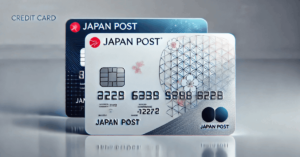
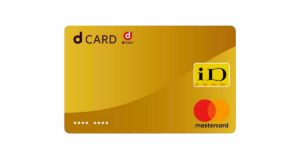

A typical first limit can still cover daily life well: train passes, groceries, utilities, and routine shopping. Bigger items like furniture, flights, or deposits may require planning, split payments, or a higher-tier card later.
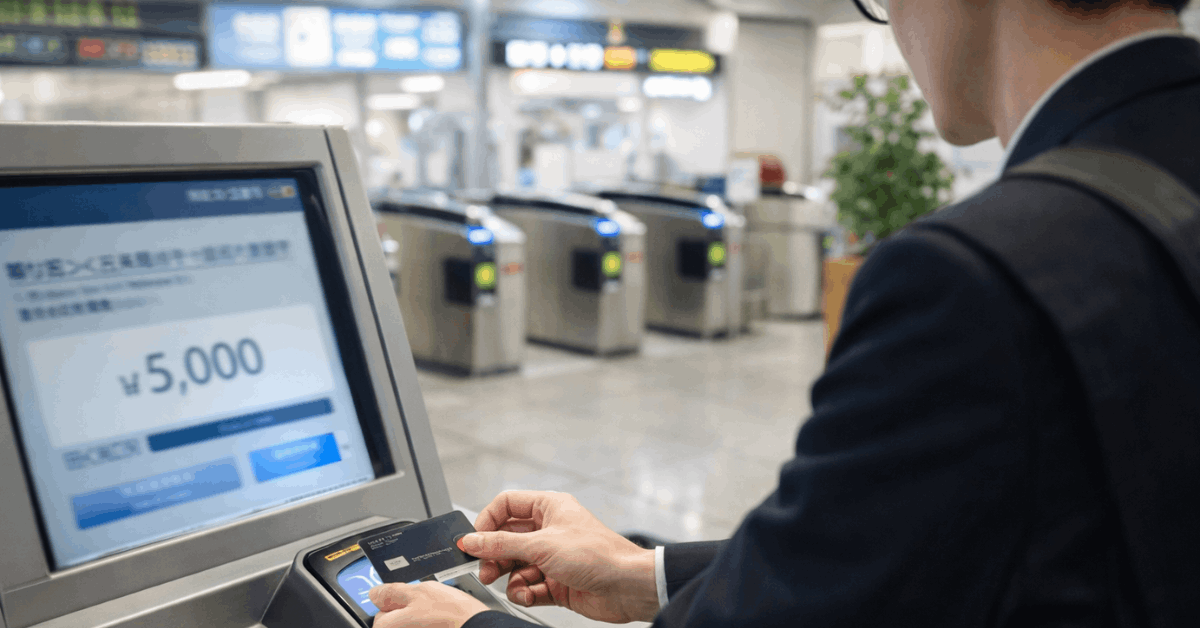
Typical Credit Card Limits In Japan
Most standard cards start low for newcomers and first-time applicants. Many people see an initial credit limit of around ¥100,000 to ¥300,000, especially during the first year in the country. That range can feel restrictive for large purchases, yet it matches how Japanese issuers manage early-stage risk.
Higher limits exist, though they usually come after a track record is visible. Gold and platinum tiers can reach ¥1,000,000 and beyond, depending on income and profile. Some card programs publish ceiling limits for each tier, yet the approved limit still depends on screening.
A card brand doesn’t automatically mean a higher line. Visa, Mastercard, and JCB travel widely across Japan, yet the issuing company’s risk model usually matters more than the network logo.
What Drives Approval and Your Starting Limit
A low starting limit rarely means “bad credit.” Screening often treats missing local history as a neutral risk that needs time to resolve. Long-term stability signals, like consistent employment and a settled address, tend to move the needle more than one big paycheck a month.
Credit bureaus also exist in Japan, yet scoring works differently from FICO-style systems. Lenders typically review your recorded contracts and payment behavior through bureau data, then combine that with the application profile.
Key factors that often shape the starting limit include:
- Annual income and how steady it looks on paper, especially for full-time roles.
- Employment details, including employer size and job type, are weighted heavily since stability is a key factor.
- Residency status, since a permanent resident profile often screens differently from a short-term stay.
- Address continuity and how long the current residence has been held.
- Recent applications, since multiple submissions can look like urgency or financial stress.
Expectations matter here. A new arrival who applies quickly can still get approved, yet the first limit usually stays conservative until payment behavior proves predictable.
Documents and Details Issuers Check
A clean application matters more than most people expect. Typos, name format mismatches, or missing middle names can slow screening or trigger a rejection that feels random.
Japanese issuers usually want
- identity,
- residency, and
- Payment routing confirmed.
Common requirements include a passport, a local bank account, proof of address, and employment details. Many applications also ask for household status, time at the current address, and employer information like company size.
Foreign residents often need a Zairyu card, since it anchors local identity checks and delivery logistics. Some issuers also ask for a personal seal, often called an inkan, since it still shows up in bank-linked procedures. Tax certificates may appear after the first year, since issuers like to see that local obligations are paid.
Name formatting causes real trouble. Matching the exact spelling and spacing used on Japanese documents reduces delivery failures and avoids rework, especially for applicants with middle names.
Payment Styles That Affect Your Usable Limit
Monthly billing in Japan often defaults to full payment, usually through automatic withdrawal. That default can help avoid interest, yet it also means the limit becomes a practical ceiling for spending until the payment posts.
Large purchases sometimes get handled through installment structures. Bunkatsu barai refers to splitting a purchase into a fixed number of installments, often chosen at checkout. Interest can apply depending on the plan and issuer, so the total cost can climb if the installment count gets long.
Ribo Barai
Ribo barai is different. Revolving payments typically set a monthly payment amount, then carry the remaining balance forward with finance charges. Rates vary by issuer and product, yet revolving credit commonly lands in the mid-to-high teens annually, and legal caps exist under Japan’s Interest Rate Restriction Act.
A limit can feel tighter under revolving settings because balances linger. Full monthly payment keeps the available line healthier, especially during the first year when the limit is small.

Credit Limit Increase Timeline and Best Moves
Growth tends to happen slowly, then suddenly. Many issuers want several months of predictable behavior, and a lot of people see their first meaningful bump after two billing cycles have passed cleanly, then again after a longer streak.
A credit limit increase request typically makes the most sense after 6 to 12 months of consistent payments, assuming income and residency details look stable. Some issuers also increase limits automatically when the risk profile improves.
Practical steps that usually help:
- Use the card regularly for normal spending, then pay on time every cycle.
- Keep balances manageable relative to the limit, especially near statement close dates.
- Avoid applying for multiple cards in a short window, since recent inquiries can hurt approval odds.
- Update employer and income details when they change, since stale information can cap growth.
- Request a limit review through the issuer portal once a solid payment streak is established.
Patience matters. Issuers often prefer slow, consistent usage over sudden spikes that look like stress spending.
Foreigner-Friendly Cards and Realistic Expectations
Several mainstream cards are known for being more accessible to international residents than strict bank-issued products.
Rakuten Card is commonly recommended because the application flow is straightforward and the program is designed for broad consumer use. Published maximum limits can be high, yet first approvals still tend to start modestly for newcomers.
EPOS Card
EPOS Card also comes up often, partly because in-store application routes can move quickly, and approval can happen the same day in some cases. That speed doesn’t guarantee a high limit, though. Plenty of first approvals still land around ¥100,000, then expand later with consistent repayment.
Convenience Stores Acceptance
Acceptance is rarely a problem once a card is issued. Convenience stores are a good example: 7-Eleven Japan lists support for major card brands, so small daily purchases and essentials usually work fine.
People living outside Japan often ask if these limits matter to them. Tourists rarely need a Japanese card, since foreign-issued cards and cash work for most situations.
Long-term residents, students, and workers benefit more because local cards can reduce friction with subscriptions, phone plans, and domestic online shopping, plus they build local history that helps future approvals.
Last Thoughts
Credit Card Limits in Japan reward consistency more than big expectations, and a modest first limit usually signals “new profile,” not “bad profile.”
Everyday spending stays manageable once payments run clean and usage looks steady, especially when full monthly repayment keeps the available line open.
Limit growth tends to follow boring habits: accurate application details, stable employment signals, and a long streak of on-time billing. Plan larger purchases around the early ceiling, use installments carefully, and the limit typically expands over time as local history becomes easier for issuers to trust.
Disclaimer
This site provides general information on credit cards and payment products, not financial, legal, or tax advice; always verify rates, fees, and terms with the issuing bank before applying.