
Delivery Driver Jobs in Japan keep showing up in 2026 job boards for one simple reason: demand stays high in big metros, and delivery networks run all day.
Foreign residents often look at driving because entry barriers can be lower than office work, especially when a route-based role fits existing skills. Pay varies a lot by vehicle type and employment style, though ranges are clearer than people expect once the job category is chosen.



Plenty of applicants worry about language and getting started legally. That worry is real, and it also has workarounds that don’t require perfect Japanese on day one.
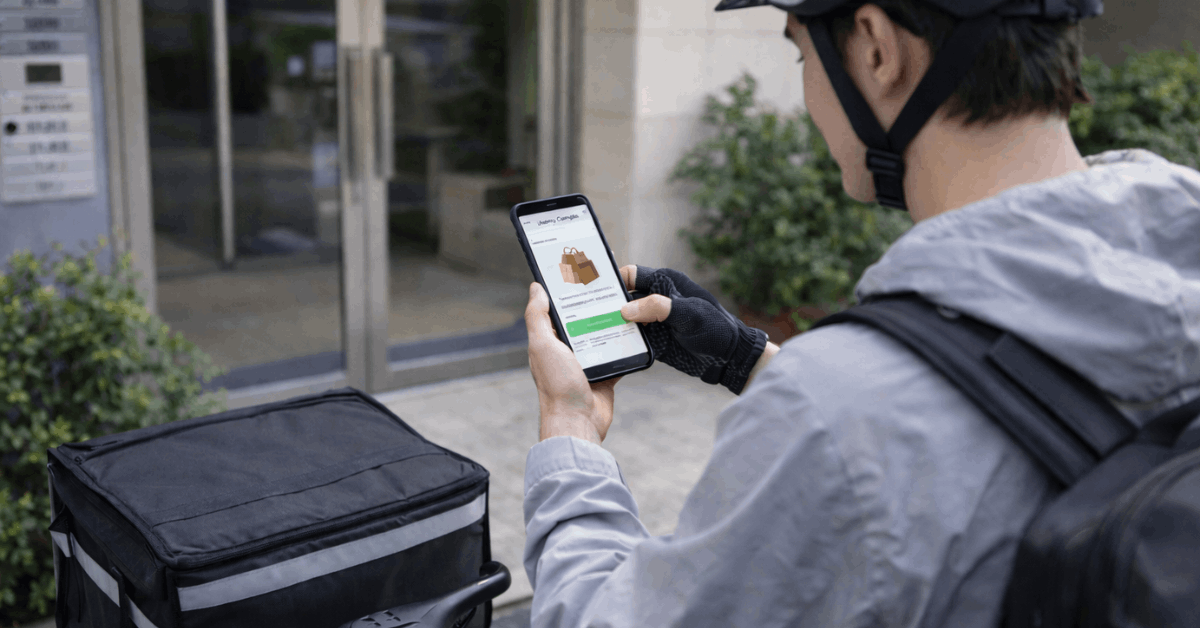
Income Expectations In 2026
Pay often depends on three levers: employment type, vehicle class, and how performance gets measured. Corporate roles tend to pay a stable base plus overtime, while contract delivery tends to pay per day or per route.
App-based food delivery can spike during peak hours, yet averages drop in slow periods.
ERI SalaryExpert lists Japan’s average annual pay for delivery drivers at around ¥4.85 million, last updated in February 2026, plus an average bonus figure and experience-based ranges. That number sits closer to “career delivery” than entry-level local drops, so it’s best used as a reference point, not a promise.
| Role Type | Common Pay Range | What Usually Drives The Number |
| kei delivery | ¥17,000–¥22,000+ per day | stops completed, hours, route density |
| Full-Time Corporate Driver | ¥200,000–¥250,000 monthly start, often rising with overtime | base pay, overtime, seniority, assigned area |
| Convenience Store Logistics (Truck) | listings often show ¥1,500–¥1,700 hourly | shift timing, night allowances, route length |
| Heavy Truck Driver | averages can exceed ¥4.8 million yearly | license class, long-haul, overtime, experience |
Gig apps deserve a separate mental bucket. Uber Eats and Demae-can can hit high hourly numbers during lunch and dinner rushes, yet net income depends on demand, distance, and downtime between orders. Some drivers chase peaks; others prefer stable blocks and predictable monthly pay.
Requirements That Decide Eligibility
Getting hired usually comes down to legal work status, driving eligibility, and basic communication ability. Some postings add age bands and “one year driving experience” preferences, yet those vary by employer and region.
A few requirements get repeated so often that they function like defaults. Visa status matters first, since many employers want applicants already living in Japan. Language expectations also show up early, even for jobs that feel “solo,” because customer contact and address verification still happen.
- Valid work permission: common routes include spouse, permanent resident, and long-term resident statuses; some full-time logistics employers also use the Specified Skilled Worker pathway for certain transport roles.
- Driver licensing: most driving roles require a Japanese license, which often means a Japanese driver's license conversion for foreign license holders.
- Japanese basics: JLPT N4 appears frequently as a practical minimum for reading signs, following dispatch notes, and handling simple customer exchanges.
- Local presence: many roles require residency in Japan at application time, since onboarding, training, and licensing steps are in-person.
- Safety and reliability: clean driving history, punctuality, and basic documentation handling often matter as much as speed.
Official frameworks exist for several of these items. Japan’s Ministry of Foreign Affairs explains baseline requirements for the Specified Skilled Worker system, including age and readiness to work, while licensing centers and JAF outline the translation and conversion process for foreign licenses.
Common Job Types and Daily Responsibilities
Kei cargo delivery tends to be the easiest entry point to understand. Packages get loaded, a small route is cleared, and deliveries go to homes or small businesses. Route sizes differ, though dense city routes can feel intense because parking, building access, and re-delivery rules shape the day.
Corporate parcel networks sit on the other end of the spectrum. Kuroneko Yamato and Sagawa Express represent the kind of structured delivery work that comes with tighter rules, uniforms, and clearer advancement paths.
Workdays can include scanning, time windows, and customer service expectations, plus heavier seasonal surges. Food delivery stays simpler in distance, yet harder to predict in pay. Bikes and motorbikes dominate dense neighborhoods, and performance depends on platform demand, weather, and restaurant wait times.
Benefits and Working Conditions
Full-time employment in Japan often means seishain status, which usually comes with social insurance coverage tied to health, pension, and unemployment systems. Many large logistics employers also use overtime pay as a major part of take-home income, so monthly totals can climb quickly during peak periods.
Bonuses appear in some driver postings, including “twice a year” structures in certain logistics listings. Training support can be surprisingly practical too, especially when a company wants drivers to move up from smaller vehicles to larger trucks over time.
Schedule control varies by job type. Contract routes can be flexible, yet earnings often depend on taking consistent blocks. Corporate shifts are less flexible, though stability and benefits compensate for that trade-off.

What Foreign Residents Actually Worry About
YOLO JAPAN ran a survey of 915 foreign residents about delivery work, and the results match what shows up in real conversations. Interest is high, and anxiety is specific.
The survey reported that 72% said they would like to work in delivery, or would consider it if the pay is good. Desired monthly salary clustered around ¥200,000 to ¥290,000, with many also aiming higher. Concerns centered on language, local knowledge, and communication, which makes sense when address formats, building rules, and customer preferences change block by block.
Delivery service quality also came through strongly. A large majority reported a positive impression of Japan’s delivery services, and the most used carriers included Japan Post, Kuroneko Yamato, and Sagawa Express. That context matters because new drivers often step into a system that customers already expect to be punctual and careful.
Getting Started Without Wasting Months
Paperwork delays can kill motivation, so a clean sequence helps. Timing depends on visa status and licensing steps, so planning around those constraints matters more than “finding the perfect company” first.
A practical starting path looks like this:
- Confirm work status and job eligibility in Japan, then align the job type to that status.
- Start Japanese driver's license conversion prep early, including translation steps and appointment planning.
- Build language coverage to a functional baseline, aiming for JLPT N4 reading ability for signs and addresses.
- Choose a job category based on risk tolerance: stable monthly pay versus variable performance pay.
- Apply through foreigner-friendly platforms and listings that clearly state language level and visa expectations.
After onboarding, early performance tends to improve fastest when route learning becomes systematic. Redelivery reduction, building entry routines, and parking strategy usually matter more than raw speed.
Last Thoughts
Delivery Driver Jobs in Japan can be a solid path in 2026 when the role matches reality on paper and on the road.
Pay gets clearer once vehicle type and employment style are chosen, then the real success factors become licensing, legal work status, and steady performance habits that reduce re-delivery and mistakes. Functional Japanese helps faster than most people expect, yet route learning and reliability often matter more than perfect conversation.
Start with the clean sequence, pick a lane that fits risk tolerance, and the job can turn from “quick gig” into a stable monthly income with a predictable routine.
Disclaimer
This site provides general information on credit cards and payment products, not financial, legal, or tax advice; always verify rates, fees, and terms with the issuing bank before applying.