
This article dives into key warehouse roles, skill requirements, and competitive salaries in Japan.
Discover streamlined application steps, visa options, and top job portals to kickstart your journey.



Plus, get insights into Japanese workplace culture and tips for advancing your career in the warehouse industry.
Why Choose a Warehouse Job in Japan
Working in a warehouse in Japan provides unique benefits that attract both local and international workers.
Here are key reasons to consider a warehouse career:
- Job Stability – Warehouses offer steady, reliable employment due to consistent demand.
- Minimal Language Requirement – Many positions don't require advanced Japanese, making them accessible to foreign applicants.
- Opportunities for Overtime – Additional hours often come with higher pay, boosting income potential.
- Skill Development – Gain valuable logistics, inventory management, and teamwork skills.
- Career Advancement – Potential for promotion to supervisory roles with experience and dedication.
- Flexible Hours – Some roles offer part-time or shift-based options, allowing a flexible work schedule.
- Physical Activity – Ideal for those who prefer active, hands-on work to a desk job.
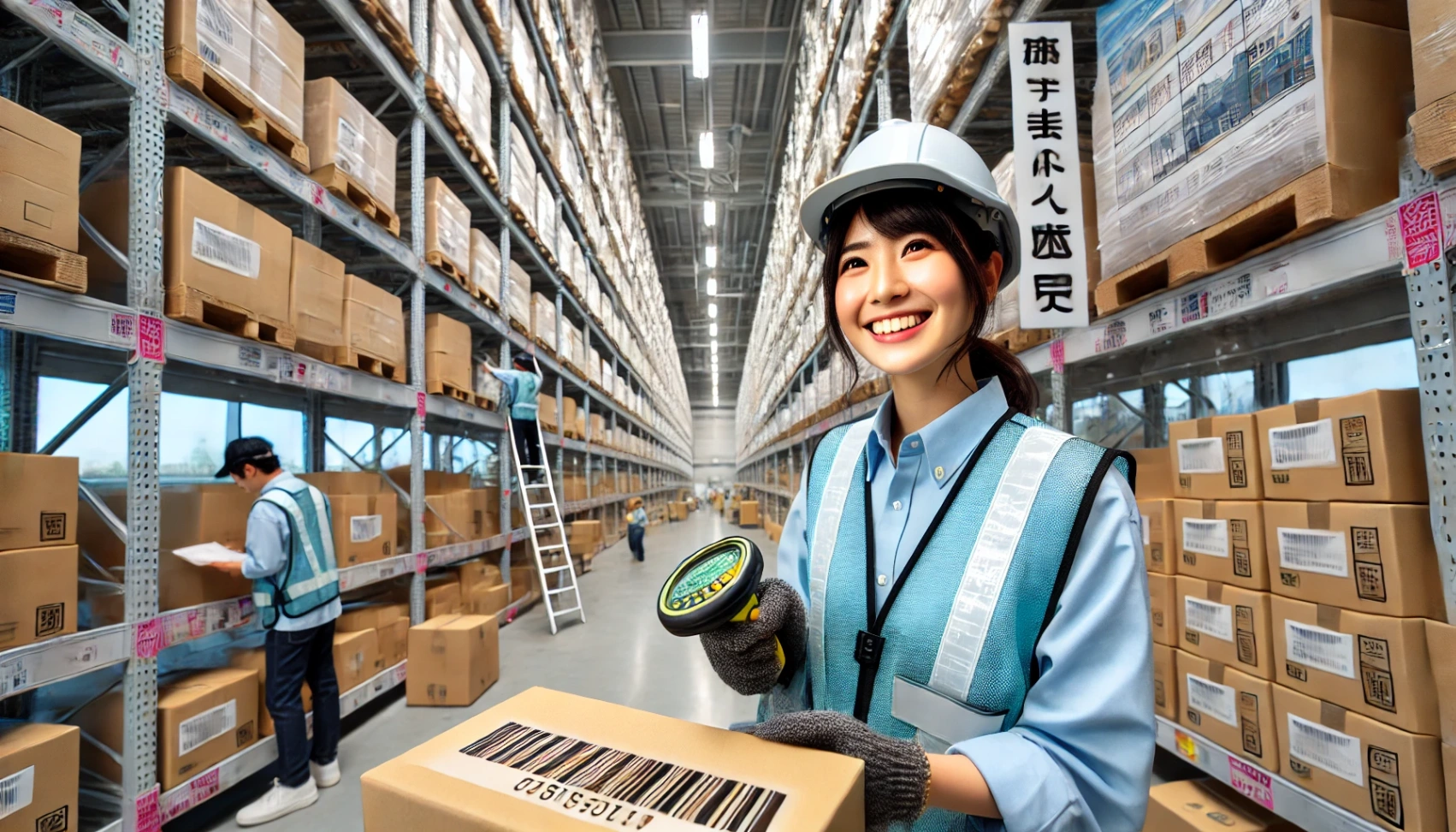
Types of Warehouse Jobs in Japan
Warehouse jobs in Japan vary widely, offering roles that suit different skills and experience levels.
Here's a look at some of the most common positions available.
- Picker/Packer – Handles the picking and packing of items for shipment.
- Inventory Controller – Manages stock levels and ensures accurate record-keeping.
- Forklift Operator – Operates forklifts to transport goods within the warehouse.
- Warehouse Clerk – Maintains records, processes orders, and assists with administrative tasks.
- Quality Control Inspector – Inspects products for quality and adherence to standards.
- Warehouse Supervisor – Oversees daily operations and manages warehouse staff.
Qualifications and Skills Required
Specific qualifications and skills are essential to succeed. Here's a list of the top requirements employers look for:
- Physical Fitness – Ability to handle physical tasks like lifting and moving goods.
- Attention to Detail – Ensures picking, packing, and inventory management accuracy.
- Basic Math Skills – Helps with counting stock and calculating quantities.
- Teamwork Skills – Works well within a team to ensure smooth operations.
- Forklift Certification – Required for forklift operators or those handling heavy equipment.
- Basic Japanese (Optional) – Some positions may require understanding basic instructions in Japanese.
Salary Expectations
Salaries vary depending on the role, experience, and location. Here's an overview of typical salary ranges for each position:
- Picker/Packer – Around ¥1,000 to ¥1,300 per hour.
- Inventory Controller – ¥1,300 to ¥1,600 per hour, depending on experience.
- Forklift Operator – ¥1,200 to ¥1,700 per hour, with certification.
- Warehouse Clerk – ¥1,100 to ¥1,500 per hour.
- Quality Control Inspector – ¥1,300 to ¥1,800 per hour, based on experience.
- Warehouse Supervisor – ¥2,000 to ¥3,500 per hour, with higher pay for extensive experience.
Job Application Process
Applying for warehouse jobs in Japan involves straightforward steps that streamline the hiring process. Here's a simple guide to help you get started:
- Research Job Portals – Find openings using reliable platforms like GaijinPot and JobsinJapan.
- Prepare Your Resume – Tailor your resume to highlight relevant skills and experience for warehouse roles.
- Submit Your Application – Follow instructions on job listings carefully to submit online or directly to employers.
- Prepare for Interviews – Be ready to discuss your experience and demonstrate enthusiasm for hands-on work.
- Check Visa Requirements – Understand visa eligibility and sponsorship options if you're a foreign applicant.
- Follow-up – Follow up with the employer to express continued interest after applying.
Visa and Work Eligibility
Understanding visa options and eligibility is essential for foreign workers interested in warehouse jobs.
Here are the main requirements and visa types to consider:
- Work Visa – Common for skilled roles; requires a sponsor, typically your employer.
- Specified Skilled Worker (SSW) Visa – Designed for labor-intensive fields like logistics, valid for up to five years.
- Technical Intern Training Program (TITP) – Provides practical training in various industries, often used by entry-level warehouse workers.
- Student Visa with Part-Time Work Permit – Allows up to 28 hours per week, suitable for students seeking part-time warehouse jobs.
- Working Holiday Visa – Permits certain nationalities to work short-term, which is excellent for temporary warehouse roles.
- Visa Sponsorship by Employer – Many companies offer visa sponsorship for qualified foreign applicants, especially for longer-term positions.

Benefits of Warehouse Jobs in Japan
The jobs come with various benefits, making them appealing to locals and foreigners. Here's a quick look at what you can expect:
- Job Security – The high demand for warehouse workers ensures stable employment.
- Competitive Pay – Hourly rates are fair, with overtime pay and other financial incentives.
- Career Advancement – Opportunities for promotion to supervisory or specialized roles are common.
- Skill Development – Gain valuable logistics, teamwork, and inventory management skills.
- Workplace Benefits – Many companies offer transportation allowances, health insurance, and paid leave.
- Flexible Shifts – Options for part-time, full-time, and overtime work provide flexibility.
- Accessible for Non-Japanese Speakers – Many roles require minimal or no Japanese language skills.
Challenges and Tips
Here's a look at common obstacles and some tips to overcome them:
- Physical Demands – Tasks like lifting and standing for long hours can be strenuous.
- Tip: Focus on proper lifting techniques and take short breaks to prevent fatigue.
- Long or Irregular Hours – Shift work may include nights, weekends, or overtime.
- Tip: Establish a consistent sleep schedule and prioritize rest to manage irregular hours effectively.
- Language Barriers – Limited Japanese skills may lead to misunderstandings in specific tasks.
- Tip: Learn basic Japanese phrases or keywords to improve communication and follow instructions easily.
- Adapting to Japanese Work Culture – High expectations for punctuality and teamwork may differ from other work environments.
- Tip: Familiarize yourself with Japanese workplace etiquette to fit in smoothly.
- Repetitive Tasks – Daily tasks can feel repetitive and monotonous over time.
- Tip: Stay motivated by setting personal goals or seeking opportunities for skill-building within your role.
Work Environment in Japanese Warehouses
The work environment in Japanese warehouses emphasizes efficiency, safety, and teamwork. Here's what you can typically expect on the job:
- Fast-Paced Atmosphere – Warehouses operate at high speeds to meet tight deadlines, especially during peak seasons.
- Safety-Focused – Strict safety protocols are followed, with regular training to prevent accidents and injuries.
- Teamwork-Oriented – Workers collaborate closely to ensure smooth operations, often requiring strong communication.
- Clean and Organized Spaces – Warehouses are kept orderly, with designated areas for different tasks to maintain workflow efficiency.
- Punctuality and Discipline – Japanese work culture values punctuality and schedule adherence, fostering a disciplined environment.
- Structured Breaks – Scheduled breaks are provided, helping workers manage energy and focus throughout the shift.
Career Growth Opportunities
Here's a look at the main opportunities for upward mobility:
- Shift Lead – Responsible for overseeing daily operations and managing team members during shifts.
- Warehouse Supervisor – Supervise warehouse activities, coordinate logistics, and ensure smooth department operations.
- Inventory Manager – Specializes in managing stock levels, ordering supplies, and maintaining accurate inventory records.
- Quality Control Specialist – Focus on monitoring and enforcing quality standards, ensuring products meet set criteria.
- Logistics Coordinator – Work on streamlining warehouse logistics and supply chains, optimizing the flow of goods.
- Operations Manager – Lead larger teams, oversee operational strategies, and drive improvements for overall efficiency.
To Sum Up
Warehouse jobs in Japan offer stable career paths with opportunities for growth and valuable skills.
Whether you're starting fresh or looking to advance, the industry provides a solid foundation.
Begin your journey today by exploring positions and taking the first step toward a rewarding career in Japan.