
Factory jobs in Japan give you access to structured employment with steady income. You can start in entry-level roles even without advanced qualifications.
These positions focus on discipline, teamwork, and production efficiency. This guide explains how factory jobs in Japan work and how you can prepare.



Understanding Factory Jobs in Japan
Factory work in Japan follows strict systems and production targets. You are expected to follow instructions carefully and maintain consistent performance.
What Entry-Level Factory Work Involves?
Entry-level roles focus on supporting production lines. You usually perform repetitive but essential tasks.
You handle basic machine operations and assist with product assembly. You may inspect items for quality control. Packaging and labeling are common responsibilities.
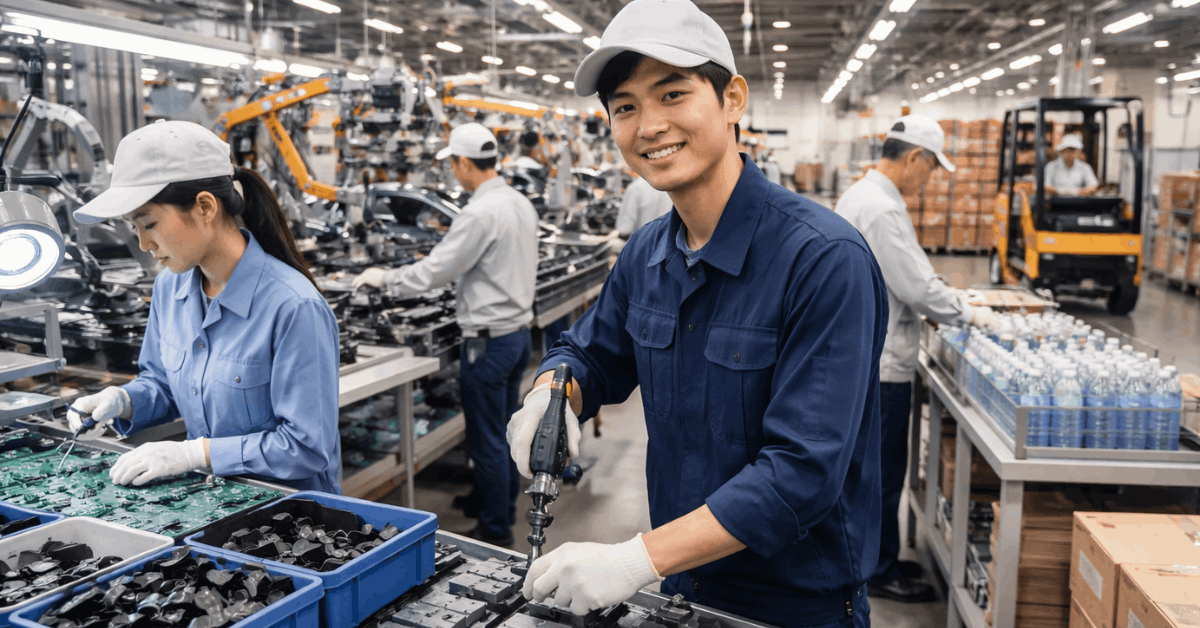
Some roles involve warehouse support and inventory movement. Tasks are structured and timed. Accuracy is more important than speed at the beginning.
Industries That Hire Entry-Level Workers
Different industries offer factory opportunities across Japan. Your duties depend on the sector you join.
Automotive factories focus on parts assembly and inspection. Electronics plants require precision and small-component handling. Food processing factories emphasize hygiene and sanitation.
Semiconductor facilities require cleanroom discipline and protective clothing. Plastic and metal fabrication factories involve heavier materials. Each sector provides structured training.
Types of Employment Contracts
Factory employment comes in different contract types. You must understand your contract before accepting the job.
Full-Time Permanent Employment
Full-time roles provide long-term stability. Companies invest in your development over time. You receive a fixed monthly salary. Bonuses may be given twice a year.
You gain access to health insurance and pension coverage. Paid leave increases with years of service. Promotion opportunities become available with experience. Stability is the main advantage.
Contract and Dispatch Work
Some factories hire through agencies. These roles are usually time-limited but renewable.
- Before reviewing the contract details, understand these common structures:
- Fixed-term contracts lasting 3 to 12 months
- Dispatch work through staffing agencies
- Renewable contracts based on performance
- Hourly wage system instead of fixed salary
Dispatch roles can offer flexibility. Pay may sometimes be higher per hour. However, long-term security may be lower than permanent roles. You must review renewal conditions carefully.
Part-Time and Shift-Based Roles
Part-time roles suit students or temporary residents. Income depends on total working hours. You may work day shifts, night shifts, or rotating schedules.
Overtime is regulated by labor law. Night shifts usually include additional pay. Shift adjustments require physical adaptation. Reliability is closely monitored.
Salary Expectations and Benefits
You should set realistic salary expectations before applying. Pay depends on region, industry, and contract type.
Average Entry-Level Pay
Entry-level salaries vary across prefectures. Urban areas often pay slightly more. You can expect around ¥180,000 to ¥250,000 per month for full-time work. Hourly rates often range between ¥1,000 and ¥1,500.
Overtime pay applies after standard working hours. Night shifts usually include additional compensation. Some factories provide attendance bonuses. Consistency increases income stability.
Common Employee Benefits
Factory workers receive standard employment benefits. These benefits support long-term stability.
Below are common benefits offered in many factories:
- Health insurance coverage
- Pension contributions
- Transportation allowance
- Company dormitory options
- Paid annual leave
Health insurance reduces medical expenses. Pension contributions secure long-term financial support.
Transportation allowances help with commuting costs. Dormitories reduce rent expenses significantly. Paid leave increases after probation periods.
Work Environment and Daily Structure
Factory work follows strict schedules and operational systems. You must adapt to routine and structured workflows.
Shift Structures
Factories operate based on production demands. You may work different types of shifts.
Common shift patterns include:
- Day shift
- Night shift
- Rotating shift system
Day shifts follow regular business hours. Night shifts provide additional compensation. Rotating shifts require schedule adjustments every few weeks. You must maintain punctuality for every shift.
Workplace Culture and Expectations
Japanese factories value discipline and teamwork. You are expected to respect hierarchy and procedures.
Cleanliness is mandatory in production areas. Safety briefings are taken seriously. Communication may be simple but direct.
Supervisors monitor attendance and task completion closely. Cooperation with coworkers is essential. Respect for rules ensures long-term employment.
Requirements and Qualifications
You do not always need advanced education. However, certain qualifications improve your chances.
Basic Eligibility
Factories prioritize reliability and work ethic. Education requirements are usually minimal.
You should have at least a high school diploma. Basic Japanese language ability is important. Physical fitness helps you handle long shifts. You must follow instructions without supervision. Legal work eligibility is mandatory.
Required Documents
Before applying, prepare your documents carefully. Proper documentation speeds up hiring.
You typically need:
- Valid work visa
- Residence card
- Identification documents
- Japanese-style resume (Rirekisho)
Employers verify your legal status. Accurate paperwork reduces delays. Resume formatting should follow Japanese standards. Organized preparation improves your credibility.
Visa and Legal Work Options
You must secure proper authorization before working. Japan enforces strict immigration compliance.
Common Visa Categories
Different visas apply to factory workers. Each has specific requirements.
Below are common visa types for factory employment:
- Technical Intern Training visa
- Specified Skilled Worker (SSW) visa
- Permanent Resident status
- Spouse visa with work permission
The Technical Intern visa focuses on training programs. The SSW visa requires passing skill exams.
Permanent residents have fewer restrictions. You must comply with immigration regulations at all times.
Training and Career Development
Factories invest in structured onboarding. Training helps you meet production standards.
Initial Training Process
New employees undergo basic orientation. You must complete safety and equipment training.
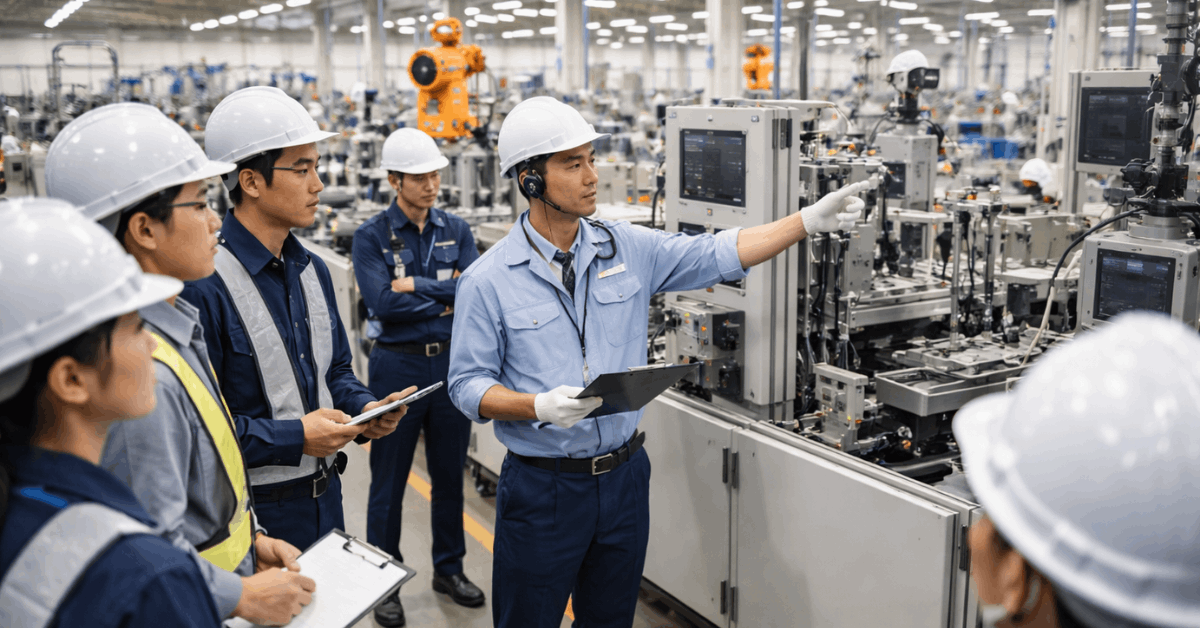
Training usually includes safety procedures and emergency drills. You learn equipment handling and workflow systems. Supervisors monitor your task performance.
Quality standards are clearly explained. Training duration ranges from days to weeks. Completion is mandatory before full assignment.
Long-Term Growth Opportunities
Factory work can lead to career progression. Performance determines advancement. You may start as a line worker. With experience, you can become a senior operator.
Leadership roles such as team leader may follow. Supervisory positions require strong communication skills. Certifications improve promotion chances. Consistent attendance supports career growth.
Challenges and Practical Considerations
Factory work can be demanding physically and mentally. You must prepare for structured routines.
Common Difficulties
Before committing, understand these possible challenges:
- Repetitive tasks
- Long-standing hours
- Shift adjustments
- Language barriers
Repetition requires mental focus. Long hours demand physical stamina. Shift changes affect sleep cycles. Language barriers may slow communication. Adaptability helps you overcome these challenges.
Living in Japan as a Factory Worker
Relocation requires financial planning. You must manage daily expenses carefully.
Cost of Living Considerations
Living costs vary by region. Urban areas are more expensive. You must budget for rent and utilities. Transportation costs depend on distance.
Food expenses vary based on lifestyle. Health insurance deductions are mandatory. Company dormitories reduce housing costs significantly. Financial discipline supports stability.
Conclusion: Build Stability Through Factory Work in Japan
Factory jobs in Japan offer structured employment and clear income pathways. You gain discipline, experience, and long-term stability if you remain consistent.
Success depends on reliability, adaptability, and respect for systems. With preparation and commitment, you can build a stable future in Japan’s manufacturing industry.