
High-Paying Part-Time Jobs in Japan can cover a lot of ground, yet the pattern stays consistent. Roles that are easy to train, tied to busy service windows, or scheduled at unpopular hours often pay more.
Many listings aimed at newcomers land around ¥1,200 to ¥1,800 per hour, then climb higher when English ability, late-night shifts, or specialized tasks enter the picture.


Pay also sits inside clear rules. Student visas, work permission, and weekly hour limits shape what “high-paying” looks like in real life. Getting those basics right keeps job hunting simple, then the focus can move to roles that fit time, language level, and stamina.

Who These Jobs Fit Best
A lot of people searching for high-paying part-time jobs in Japan fall into the same buckets. International students want predictable shifts that don’t collide with classes. Working holiday holders want maximum hourly pay and flexible rosters.
New arrivals often want no experience part-time jobs in Japan that still feel stable and safe. Language level decides the short list quickly. Basic Japanese opens retail, kitchens, basic hotel ops, and many logistics roles.
Strong English can unlock tutoring, front-facing hospitality, and bilingual phone or admin work. Zero Japanese still leaves options, yet the search leans harder on tourist zones, back-of-house roles, or English-first services.
Visa Rules and Paperwork That Matter
International students need permission before starting paid work, even for short shifts. The permit is commonly called a Japan student work permit, and the formal name used by immigration is Shikakugai-katsudokyoka. Approval allows part-time work within set limits, and exceeding the limits can create immigration trouble.
Hours Are Not Flexible on a Student Status
Official guidance limits work to 28 hours per week while school is in session, then allows up to 8 hours per day during long school holidays. Some schools also ask for transparency about job details, so keeping a simple record of shifts helps.
Certain Industries are Off-Limits
Adult entertainment businesses are prohibited for student permission holders, even if the task looks “non-entertainment” on paper.
Minimum Wage Also Sets the Floor
Japan’s minimum wage is set by prefecture, and the national average for fiscal 2024 was raised to about ¥1,055 per hour from October 2024, with local rates varying by location.
What “High-Paying” Means In Practice
Hourly pay varies more by shift than most people expect. Late-night work after 10 pm often adds a premium, and weekend staffing can do the same. Tourist-heavy areas may pay more during peak seasons, especially for hotels and restaurants.
Location matters, yet role demand matters more. Tokyo has volume and variety, so decent pay shows up across categories. Aichi often has logistics and factory demand. Fukuoka can be surprisingly active for hospitality and retail, especially near transit hubs and tourist districts.
Another reality check: “no experience required” rarely means “no expectations.” Employers still care about punctuality, clean communication, and consistent attendance. Showing reliability in the first two weeks often leads to better shifts or a faster raise.
Top High-Paying Roles That Often Hire Without Experience
Pay ranges below reflect common advertised bands, not guaranteed rates. Listings shift fast, and the same job title can pay very differently by area and shift.
- English conversation and tutoring: “English tutor in Japan pay” can be high when demand is strong, especially for conversation schools, online platforms, or private lessons. Rates often rise for business English, test prep, or niche subjects.
- Hotel and hospitality support: Housekeeping, banquet setup, back-of-house dining support, and some concierge support roles hire beginners, particularly in tourist areas. English helps, yet training can cover a lot.
- Warehouse and logistics shifts: “warehouse light work in Japan” usually means picking, packing, sorting, scanning, and basic cleaning. Night shifts and weekend rosters tend to pay more.
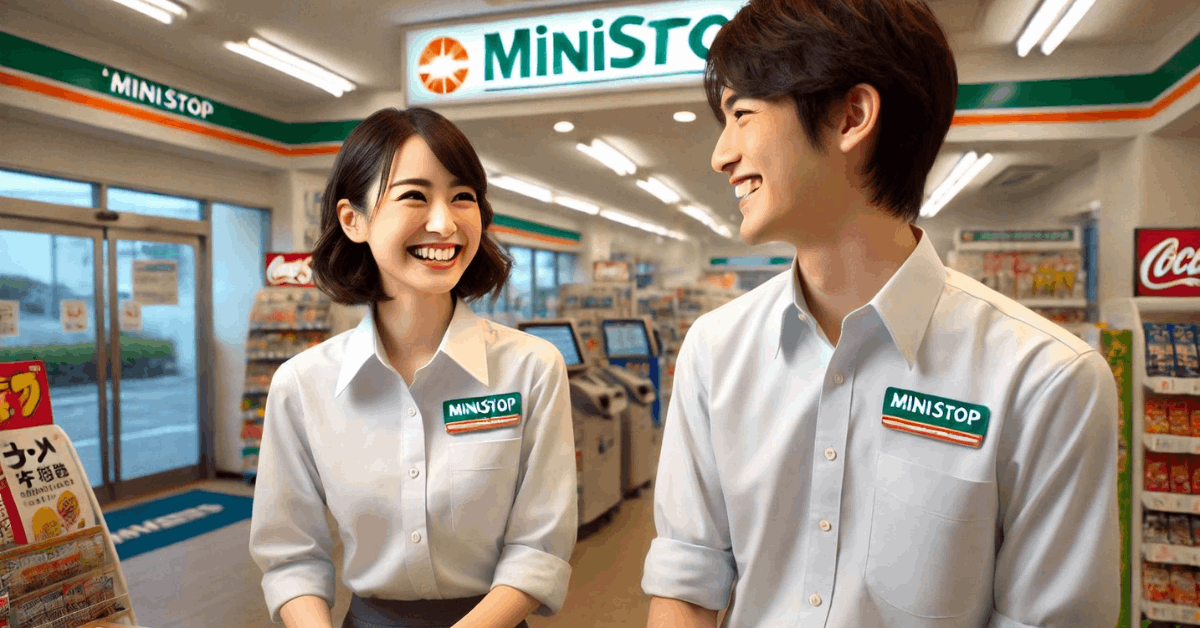
- Convenience store late shifts: A “night shift konbini job” can pay well because the hours are hard to staff. Register work, restocking, cleaning, and simple food prep show up often.
- Restaurant kitchens and floor roles: Izakaya kitchens, ramen shops, cafés, and chains often hire quickly. Staff meals are common, and late shifts can add pay.
- Office admin and telemarketing: Data entry, appointment setting, and bilingual phone support can pay above average, especially when English is part of the requirement.

Best Places To Find Jobs Quickly
Search quality improves when platforms match the applicant profile. Several sites consistently show part-time jobs for international students in Japan, plus roles aimed at non-Japanese residents.
WORK JAPAN and YOLO Japan often list foreigner-friendly, shift-based roles. GaijinPot Jobs tends to skew toward bilingual roles, tutoring, and hospitality. Baitoru is widely used for baito listings, including retail, restaurants, and logistics, though Japanese listings are common.
Broader platforms still help when filters are used carefully. Indeed, Wantedly, Daijob, Career Cross, and LinkedIn can surface part-time, contract, and bilingual roles. Searching “best job sites in Japan for foreigners” is useful when comparing features, yet the fastest wins usually come from two or three platforms used consistently.
Offline search still works. Posters near station exits, store windows, and restaurant entrances often show immediate openings. University notice boards also carry research assistant and campus roles that never hit public sites.
Simple Moves That Raise Hourly Pay
Higher pay often comes from small changes that employers reward quickly. Each move below is realistic, even early in a stay.
- Target premium hours first. Late nights and weekends often raise hourly pay without changing job type.
- Build basic Japanese for work. Simple set phrases, greetings, and apology language can expand options quickly.
- Choose tourist zones for service roles. Hotels and busy districts value English and tend to hire in batches.
- Use short-term logistics roles to stack income. Warehouses often offer flexible rosters and quick starts.
- Keep paperwork clean and track hours. Staying under the legal cap protects status and keeps scheduling smooth.
Quick Reality Checks On Companies and Cities
Big-name employers appear often because they hire at scale. Convenience stores like 7-Eleven and FamilyMart run frequent recruitment. Food and café chains like McDonald’s and Starbucks regularly staff up around transport hubs. Hotels such as Hilton Japan and Prince Hotels often hire seasonal support.
Delivery work through Uber Eats can suit flexible schedules, yet earnings depend on density, weather, and timing. City choice still shapes the search. Tokyo offers the widest mix, yet competition can be higher. Osaka often has steady demand from restaurants and retailers.
Kanagawa has plenty of packing and warehouse work tied to distribution corridors. Aichi can be strong for logistics and factory-adjacent roles. Fukuoka often balances livability and job access for students.
Last Thoughts
High-Paying Part-Time Jobs in Japan are easiest to land when the search stays realistic and rule-aware.
Visa limits, work permission, and local wage floors set the boundaries, then higher pay usually comes from shift strategy and demand: late nights, weekends, tourist zones, and roles that need English or reliable output.
Pick two or three job sources, apply fast, and treat the first weeks as a proving window, since consistent attendance often leads to better rosters and faster raises. Keep paperwork clean, track hours, and the “high-paying” label can turn into steady, repeatable income rather than a one-off lucky listing.