
Stress Level AI Test in Japan helps you evaluate your mental balance using data-driven technology.
You can quickly measure your stress patterns using digital tools that analyze your responses and behavior.



This article explains how these AI tests work and how you can use them responsibly.
What Is a Stress Level AI Test?
A Stress Level AI Test is a digital tool that uses artificial intelligence to evaluate your stress level.
It analyzes your answers, voice patterns, or behavior data to estimate your mental state.
It gives you a stress score, but it does not replace a medical diagnosis.
Why Stress Monitoring Matters in Japan
Stress monitoring matters in Japan because daily pressure can directly affect your health and productivity.
You need to understand the key factors that make stress tracking important in this environment.
- High Work Pressure – Long working hours and performance expectations can increase mental strain.
- Academic Competition – Students face intense entrance exams and career pressure.
- Urban Lifestyle – Fast-paced city life can reduce rest and personal time.
- Social Expectations – Cultural norms often discourage open discussion about mental stress.
- Rising Burnout Cases – More professionals report fatigue and emotional exhaustion.
How the AI Test Works
You should understand how the AI test evaluates your stress before relying on the results.
The system follows a structured digital process to calculate your stress level.
- Initial Self-Assessment – You complete a structured questionnaire about mood, sleep, workload, and daily habits.
- Optional Voice Analysis – Some platforms analyze tone, pitch, and speech speed through your microphone.
- Optional Facial Scanning – Certain tools assess microexpressions and eye movements using your device's camera.
- Behavioral Data Review – The system may evaluate response time, typing rhythm, or interaction patterns.
- AI Pattern Matching – Algorithms compare your data with trained datasets for mental health.
- Stress Score Generation – You receive a categorized stress score (low, moderate, or high) with brief feedback.
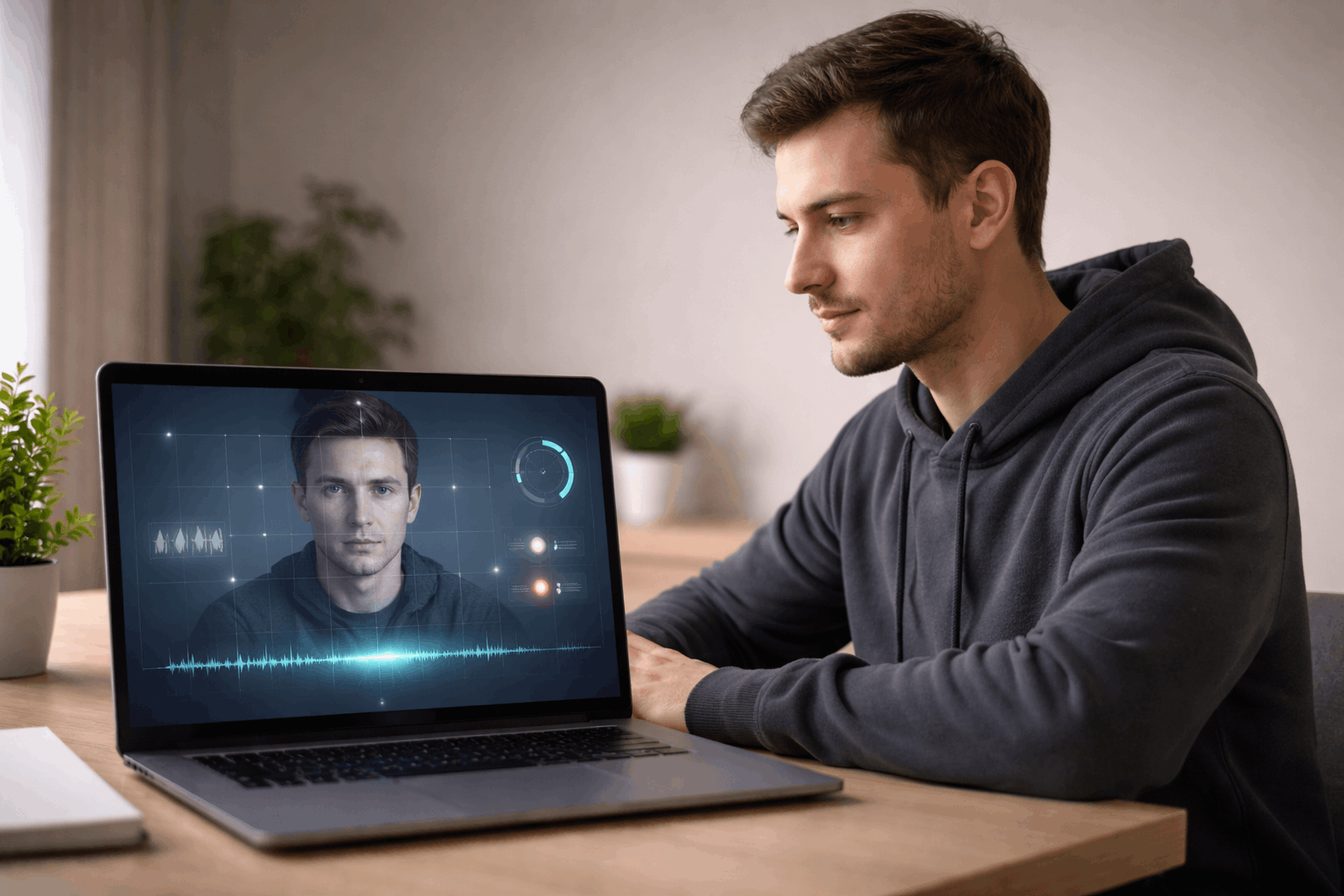
Technologies Behind the Test
You should understand the core technologies that power a Stress Level AI Test before trusting its output.
These systems rely on structured AI models to process and interpret your data.
- Machine Learning Models – Algorithms learn from large datasets to detect stress-related patterns.
- Natural Language Processing (NLP) – The system analyzes your written responses to identify emotional indicators.
- Speech Recognition Technology – AI evaluates tone, pitch, and speech speed when voice input is used.
- Facial Expression Analysis – Computer vision tools detect micro-expressions linked to stress signals.
- Predictive Analytics – The system estimates stress risk levels based on behavioral trends and input data.
Who Should Take the Test
You should consider taking a Stress Level AI Test if you experience pressure that affects your daily performance.
The tool is designed for individuals who want structured insight into their mental balance.
- Corporate Employees – If you handle deadlines and long working hours, stress monitoring can help you stay aware.
- Students – Academic pressure and exam preparation can increase mental strain.
- Remote Workers – Isolation and blurred work-life boundaries can raise stress levels.
- Managers and Team Leaders – Leadership roles often involve decision pressure and responsibility.
- Individuals Feeling Burnout Signs – If you notice fatigue, irritability, or low motivation, early assessment can guide your next step.
Types of Stress AI Tests Available
You should know the different types of Stress AI Tests available before choosing one. Each type is designed for a specific purpose and user group.
- Mobile App-Based Tests – You complete short assessments through smartphone apps that provide instant stress scores.
- Web-Based Self-Check Tools – You access browser-based platforms that analyze questionnaire responses online.
- Corporate Wellness Platforms – Companies use AI tools to monitor employee stress trends and prevent burnout.
- University or Research Tools – Academic institutions develop AI tests for research and psychological studies.
- Wearable-Integrated Systems – Some tools connect with smart devices to track heart rate and sleep patterns.

Data Privacy and Security in Japan
You must understand how your data is handled before using a Stress Level AI Test.
Privacy and security rules in Japan play an important role in protecting your information.
- The Personal Information Protection Law – Japan enforces regulations requiring companies to manage personal data responsibly.
- User Consent Requirements – Platforms must inform you about what data they collect and how it will be used.
- Data Encryption Standards – Secure systems use encryption to protect your information during storage and transfer.
- Limited Data Sharing Policies – Responsible providers restrict third-party access to sensitive mental health data.
- Right to Data Access and Deletion – You can request access to your stored data or ask for its removal.
How to Prepare Before Taking the Test
You should prepare properly before taking a Stress Level AI Test to get accurate results.
Small adjustments in your environment and mindset can improve reliability.
- Choose a Quiet Space – Reduce noise and distractions so your responses reflect your real state.
- Use a Stable Internet Connection – Avoid interruptions that may affect data submission.
- Be Honest in Your Answers – Accurate input produces more reliable stress scoring.
- Stay Calm Before Starting – Take a few minutes to relax so temporary emotions do not distort results.
- Use a Proper Device Setup – If voice or facial analysis is included, ensure your camera and microphone function correctly.
How to Interpret Your Results
You need to interpret your stress score carefully before making decisions. The result gives guidance, not a medical diagnosis.
- Low Stress Score – Your responses indicate stable emotional balance and manageable pressure.
- Moderate Stress Score – You may be experiencing noticeable strain that requires attention and adjustment.
- High Stress Score – Your stress indicators suggest risk of burnout or mental fatigue.
- Trend Over Time – Compare results across multiple tests to identify patterns, not single outcomes.
- When to Seek Help – If high scores repeat or symptoms persist, consult a licensed mental health professional.
Benefits of AI-Based Stress Monitoring
AI-based stress monitoring provides structured insight into mental condition using measurable data.
These tools support early awareness and informed decision-making.
- Fast Assessment – Results are generated within minutes without scheduling an appointment.
- Data-Driven Insights – Pattern analysis offers objective evaluation beyond personal perception.
- Continuous Tracking – Repeated testing helps identify stress trends over time.
- Convenient Access – Tests are available through smartphones or laptops at any time.
- Early Risk Detection – Warning signs may appear before stress becomes severe.
Limitations You Must Understand
AI stress tests provide useful insights, but they have clear limitations. Understanding these limits prevents overreliance on automated results.
- Not a Clinical Diagnosis – Results do not replace evaluation by a licensed mental health professional.
- Input-Dependent Accuracy – Inaccurate or rushed answers reduce reliability.
- Algorithm Bias Risk – AI models may reflect dataset limitations or cultural bias.
- Limited Emotional Context – Complex personal experiences cannot be fully captured by automated systems.
- Privacy Concerns – Sensitive mental health data requires strong security safeguards.
Practical Steps to Improve Mental Balance
Improving mental balance requires consistent daily actions. Small structured habits can reduce stress levels over time.
- Sleep Regulation – Maintain a fixed sleep schedule to support emotional stability.
- Physical Activity – Regular exercise helps regulate stress hormones and improve mood.
- Work Boundaries – Set clear limits between professional tasks and personal time.
- Digital Breaks – Reduce screen exposure to prevent mental fatigue.
- Professional Support – Consult a licensed mental health specialist when stress becomes persistent.
Final Section: Should You Try a Stress Level AI Test?
Stress Level AI Tests in Japan give structured insight into your mental balance using measurable data.
These tools help increase awareness, but responsible interpretation remains essential.
Take action today by using a reliable AI stress test to consistently monitor your mental well-being.