
Securing quick cash in Japan isn’t always straightforward, but small loans offer convenient lifelines when immediate funds are needed. Anyone new to Japan, or those living on tight budgets, might find these credit lines particularly relevant.
For residents and even some visitors, understanding the essentials of how small loans work, what the application process involves, and what to expect in terms of fees or eligibility requirements can really help avoid missteps. The financial system here blends speed with regulation—so it’s wise to know where the opportunities and pitfalls are.
This guide is designed for those considering a small loan in Japan—whether to manage sudden expenses, bridge a paycheck gap, or cover emergencies. The key benefit: clearer expectations and more confident decisions.
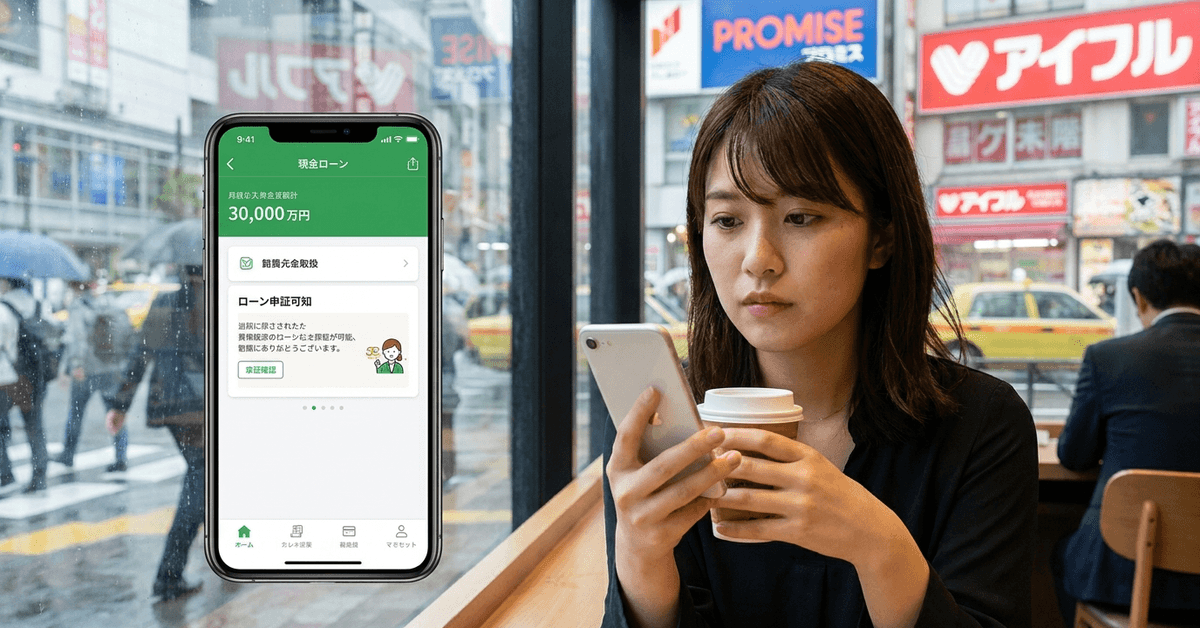
What Are Small Loans in Japan?
Small loans , also called micro-loans or small cash advances, are unsecured credits offered by both traditional banks and specialized consumer finance firms. Usually, the amounts start as low as ¥10,000 and can go up to ¥500,000, though thresholds might differ based on the lender.
They generally require less paperwork than personal loans and are designed for urgent, short-term needs rather than long-term investments. Approval times for these loan types can be surprisingly rapid—sometimes within hours—but the ease of access comes with certain responsibilities and risks.
Why Are Small Loans Popular in Japan?
There are a few reasons why small loans are so popular here. For one, Japan’s cost of living is high, and many people run into months when paying bills or unplanned expenses becomes tough. These loans provide a possible buffer, even though not everyone prefers using them.
Convenient Application Process
Most lenders, including big names like Aiful and Promise, now offer complete online application processes. Some even have apps, making things smoother—whether you’re new to Japan or have lived here for years. Kiosks in convenience stores add another layer of accessibility.
Fast Decision and Disbursement
One of the strongest draws? The short turnaround time. After submitting required documents—like residence card, income proof, or sometimes just an ID—qualified applicants may get access to cash in just a few hours. It’s a relief, although things can also get complicated if expectations aren’t managed.
Flexible Repayment Options
Depending on the provider, repayment can be structured monthly, bi-weekly, or even in lump sums, giving borrowers some room to match schedules to their income. This flexibility, for some people, eases financial stress.
Who Is Eligible for Small Loans in Japan?
Eligibility can be strict. Japanese citizens and foreign residents alike are eligible, but non-citizens generally must have long-term visas and proof of stable income. For some, residency history and employment status might influence approval more than they expected.
Minimum Age and Income Requirements
The minimum age is usually 20. Some lenders set maximum age limits, often around 65–70. Consistent income from employment or self-employment is essential. Part-time workers in Japan may still qualify, though often for lower limits.
Credit Score and Financial History
A positive credit history matters. Japan has centralized reporting agencies, and late payments or unpaid debts can impact a lender’s decision. However, lack of borrowing history isn’t always a dealbreaker for smaller loans, which is helpful for newcomers.
Application Process: Steps and Documentation
Step 1: Research and Compare Lenders
Most first-time borrowers start by checking conditions from several providers. Leading companies like SMBC Consumer Finance, Promise, and Acom have user-friendly sites with detailed fee breakdowns. Take note of interest rates and possible fees.
Step 2: Prepare Required Documents
The usual documentation includes personal identification (residence card, My Number Card), proof of income (salary slips, tax certificates), and address verification. Self-employed borrowers may need extra paperwork, like tax returns.
Step 3: Submit Application and Wait for Review
Applications are generally filled online or at in-store kiosks. Some lenders will call to confirm details. The approval process is automated for simple cases, with manual checks for larger loan amounts or complex profiles.
Step 4: Final Approval and Disbursement
Once approved, funds are sent to the recipient’s bank account or made available through ATMs. Some applicants receive a response the same day; others might wait up to two business days if further checks are needed.
Key Costs: Interest Rates, Fees, and Penalties
Interest rates on small loans in Japan usually fall between 3% and 18%. Variables include loan amount, repayment period, and credit history. Short-term loans sometimes have higher rates than larger, longer-term personal loans.
Initial Fees
Many lenders charge zero application fees. However, some add disbursement or monthly account fees, so checking the contract before signing can save headaches later. Don’t be surprised if terms differ between providers.
Late Payment and Default Penalties
Late repayments almost always trigger additional charges—sometimes between 20%–29% on overdue balances. Several missed payments may impact your credit for years, even for small loan sums.
Risks and Considerations Before Applying
Debt Traps and Overborrowing
Easy access can lead to overborrowing—sometimes without realizing how quickly fees add up. Planning a realistic repayment timeline might not eliminate all risk, but it helps minimize issues.
Impact on Credit
Any missed payment affects your personal credit in Japan. This may limit the ability to rent apartments, get phone contracts, or secure larger loans in the future. For those new to Japan, that’s not always obvious up front.
Scams and Unlicensed Lenders
Unfortunately, predatory lending exists. Only work with companies licensed by the Japanese Financial Services Agency, and always check their registration. The official FSA site (Financial Services Agency) offers lender information and regulation updates.
Top Small Loan Providers in Japan
Aiful
Known for fast online approval and flexible repayment. Requirements are clear, but approval for foreigners may need extra documentation. Customer reviews are mostly positive, though experiences vary by branch.
Promise
Another large player, Promise supports English on some channels and has nationwide ATM access. Interest rates are competitive. They’re a popular choice among both Japanese and foreign residents.
Acom
Acom is recognized for transparent contracts and clear policies on what kind of employment status is acceptable. Approval speeds are solid, and repayment can be managed on their digital platform.
Legal Protections and Borrower Rights
Japan’s Money Lending Business Act enforces strict guidelines for small loan advertising, screening, and contract clarity. The law caps how much any one borrower can take on from multiple lenders, aiming to avoid spirals of unmanageable debt.
Lenders must disclose all fees and repayment terms before borrowers commit. If terms change, written notice is required. Understanding these regulations makes the process less intimidating, but it can still feel daunting for those new to the system.
Comparison Table: Leading Providers
| Provider | Approval Speed | Typical Rates | Language Support |
|---|---|---|---|
| Aiful | Same day | 4.5% – 18% | Japanese, some English |
| Promise | Within 1–2 days | 4.5% – 17.8% | Japanese, English (limited) |
| Acom | Same to next day | 3% – 18% | Primarily Japanese |
Making Safe Financial Choices with Small Loans in Japan
Choosing a small loan in Japan can feel empowering or overwhelming, depending on the lender and your preparation. The fast approval process is attractive, but understanding obligations, risks, and legal protections is crucial.
Reviewing contract terms carefully and using trusted, licensed lenders increases safety—especially for non-native residents. For those navigating a temporary cash crunch, the right small loan source can genuinely make life less stressful, as long as borrowing stays within means and repayment planning is realistic.
In the end, it’s not just about getting funds fast; it’s about choosing a path that fits personal stability, not just immediacy.