Gyomu Super is a name most residents and long-term visitors to Japan have seen, perhaps while searching for budget groceries or specialty ingredients.
For many, though, it’s also a gateway to employment. This article explores what working at Gyomu Super entails, who these jobs might suit, and how store and operations roles can shape a career path in retail across Japan.
What Makes Gyomu Super Jobs Appealing?
For anyone looking for stable employment, Gyomu Super jobs in Japan may offer a real opportunity.
The chain has built a solid reputation around affordability and scale, but also remarkable employee retention. Why do some people stay for years? Perhaps it’s partly the reliability, but there’s more beneath the surface.
Steady Demand Across Japan
The need for daily essentials doesn’t fade with trends. Gyomu Super’s presence nationwide means regular hiring, especially in urban centers and growing suburbs.
Not all stores recruit year-round, but turnover among staff and regular expansions increase the odds of openings cropping up even in smaller outlets.
Flexible Scheduling Options
Some workers, perhaps students or parents, mention that they appreciate shift variety. While not all positions are equally flexible, the chain’s model does cater in part to those needing part-time or weekend hours.
This flexibility is sometimes balanced by busy periods around holidays or major store sales, which might require more commitment or overtime.
Entry-Level Friendly Roles
Gyomu Super jobs often don't require advanced degrees or extensive experience.
Tasks are usually straightforward—stocking shelves, handling the register, or assisting with product displays.
That said, attention to detail and a fair amount of energy can help new hires adjust quickly.
Types of Store and Operations Jobs Available
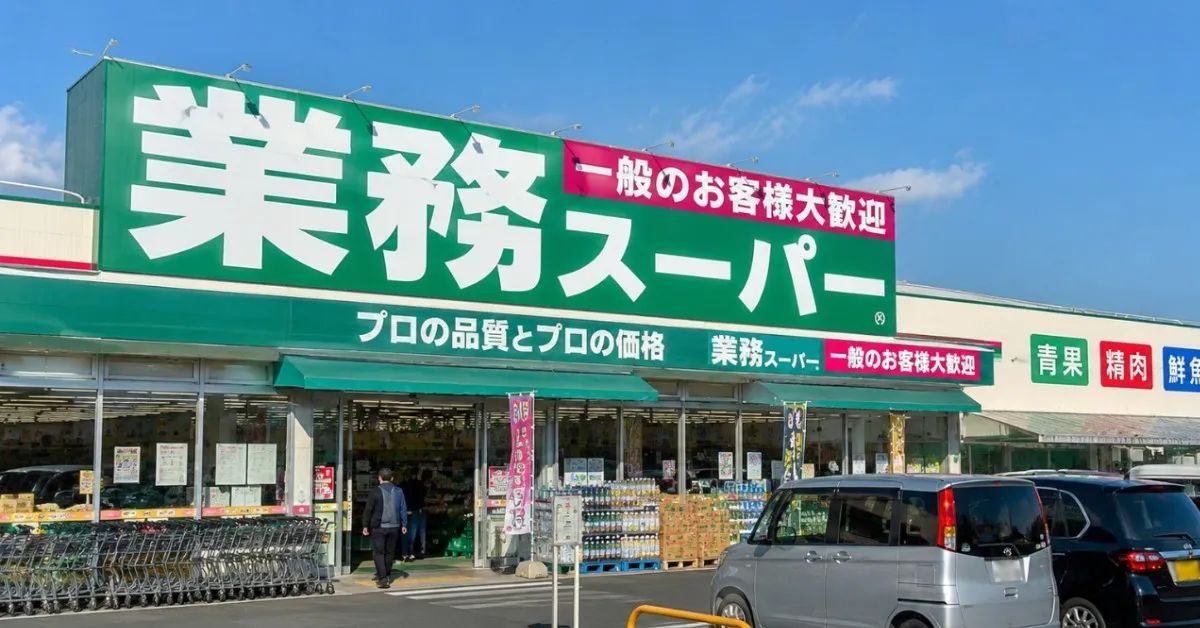
Not every job at Gyomu Super looks the same. Some might expect only cashier or shelf-stocking roles, but behind the scenes, store operations involve a range of positions.
Store Crew: Frontline Responsibilities
Positions on the shop floor include cashier, shelf restocker, and cleaning crew. These team members often interact directly with customers. Multitasking—managing both checkout and tidying aisles—happens frequently, especially during quieter periods.
Back Office & Stockroom
Some stores look for inventory staff to manage incoming deliveries, organize storage areas, and update stock records. While these roles don’t see as much customer interaction, they do require careful handling of both paperwork and physical deliveries.
Supervisory & Operations Management
For those with experience or who show promise, team leader or supervisor roles can open up relatively early. Supervisors coordinate schedules, resolve complaints, and keep shelves in order—even pitching in themselves during peak hours.
What Skills Do Gyomu Super Employees Need?
When considering jobs at this discount supermarket chain, perhaps technical expertise won't top the list. Instead, a successful staff member might show patience, practical problem-solving, and comfort with repetitive tasks. Some English isn’t uncommon, but Japanese fluency is almost always essential for smooth teamwork and customer service.
Attention to Detail
Mistakes at checkout or inaccuracies in stockroom data might cause issues. Most employees, even new ones, notice that accuracy really counts here, maybe more than at fancier food retailers.
Endurance and Physical Fitness
Many roles, even at entry level, require periods of standing, carrying goods, or reaching shelves. Some might feel the physical side gets overlooked when first applying; daily work can be more tiring than expected, especially for new hires unused to retail.
Team Communication
Most tasks involve cooperation—coordinating shift swaps, passing on messages, or clarifying instructions. Quiet team members often thrive, but being proactive about communication seems to help most people navigate their roles smoothly.
How to Find Gyomu Super Job Openings
Locating current vacancies might be straightforward—or surprisingly difficult. While national job boards sometimes post positions, Gyomu Super’s own website often lists available roles, and in-store notice boards are updated regularly. Walking into a store to ask about openings can work, though maybe it feels awkward for some.
Online Job Listings
Sites such as Townwork or Hello Work provide updated listings for supermarket staff jobs across Japan, including major Gyomu Super locations. Filtering by region and store type saves time, though details sometimes differ between sites and the actual store’s situation.
In-Store Application
Some applicants prefer heading to their local Gyomu Super, scanning the staff notice board or speaking directly with the shift manager about open positions. Application forms are often provided on the spot, but sometimes only in Japanese.
Application Process and Common Requirements
Applicants usually submit a resume (rirekisho), sometimes with a cover letter. Japanese language ability, even for part-time jobs, is nearly always considered important. Foreign nationals may need to provide proper visa documentation; stores vary in their hiring practices, and not all accept non-Japanese staff.
Interviews and Trials
Interview processes range from brief chats to more formal interviews. Some stores invite candidates for a short trial shift. This can help both sides judge fit—potentially a low-pressure way for candidates unsure if retail work is for them to get a feel for the environment.
Pay Rates and Employee Benefits
Hourly wages for Gyomu Super jobs often reflect Japan’s regional minimums, though busier or suburban stores sometimes pay slightly above. Some staff mention wage increases after a probationary period. Benefits may include social insurance, employee discounts (though not always), and bonuses tied to seasonal campaigns or long-term service.
Career Progression and Training Opportunities
While entry-level staff often start with routine tasks, those who perform well sometimes advance to supervisor or assistant manager. Internal training—on food safety, cash management, or customer service—supports those who wish to stay longer term.
Long-term Stability vs. Part-time Flexibility
Some find they enjoy the predictability of regular shifts and consider full-time contracts. Others use Gyomu Super jobs as a stepping-stone—perhaps while studying, learning Japanese, or exploring career moves in Japanese retail. Advancement happens, but perhaps not always as quickly as some might hope.
Tips for Standing Out When Applying
Showing motivation—maybe noting past teamwork roles—helps. A neat, legible resume in Japanese makes a difference. Emphasizing reliability and openness to learn usually outweighs pure experience, especially for those new to the food retail industry in Japan.
- Mention any experience with customer service—even if outside retail.
- Express some knowledge of Gyomu Super’s products or approach.
- Be ready to discuss availability, particularly for evenings or weekends.
- If not a native Japanese speaker, note JLPT level or language proficiency.
Legal Requirements and Working Conditions
Work laws in Japan regulate maximum shift hours, break times, and overtime pay. Gyomu Super generally follows these, but policies can differ by region. Foreign staff should check visa limits; student visa holders have capped weekly work hours. Overtime is sometimes offered, but not always mandatory.
Health and Safety
Food-handling regulations in Japan are strict. Proper hygiene, uniform usage, and regular safety checks are standard. Some stores require staff training before handling perishables or working specific machinery.
Potential Challenges and Job Realities
No job is perfect. While many report positive experiences, others mention routine shifts can feel repetitive. Busy days, heavy stock, or demanding customers might be draining. Still, steady pay and structured shifts help balance these stresses for some.
Navigating Language Barriers
Non-native speakers can find the workplace a language immersion environment. Colleagues usually appreciate the effort, but complex situations—emergency calls, detailed inventory work—may stretch new hires at first.
Alternative Paths: Other Food Retail Options in Japan
For variety, it may be worth exploring similar roles in other chains such as Aeon, Seiyu, or Don Quijote. Each brand has its own work culture and requirements. Some staff eventually move between chains to build new skills or change pace while still working in familiar roles.