Searching for a Matsuya part-time job while juggling lectures, rent, and a student visa feels like solving a puzzle where half the pieces are in a language you're still learning.
That stress is specific. And every article about Matsuya jobs Japan glosses right over it, jumping to pay rates without addressing the friction that keeps foreign students from even applying. So this one is different. I wrote it for the international student staring at a Matsuya storefront in Takadanobaba or Namba, wondering if the job is even realistic with intermediate Japanese.
The answer is yes. But the path has a few turns that the recruitment pages will never mention.
What a Matsuya Shift Looks Like Day to Day
The daily work at Matsuya follows a rhythm. Lunch rush, calm, dinner rush, cleanup. But the specifics matter more than the pattern, especially if this is your first job in Japan.
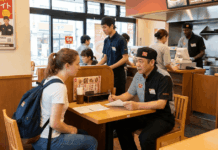
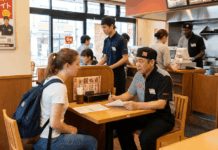
Teams are small. Three or four people cover an entire store during peak hours, which means everyone rotates between tasks constantly.
One minute you're taking orders at the register; ten minutes later you're plating gyudon sets and refilling condiment stations.
Taking Orders and Running the Register
Order accuracy is a big deal. Matsuya uses a ticket-vending system (食券機) at many locations, so customers buy a ticket before sitting down.
That reduces the spoken interaction, but staff still need to confirm orders, handle modifications, and manage the occasional confused tourist.
A common mistake for new hires: assuming the ticket machine handles everything. Customers still ask questions. "Is this set large or regular?" or "Can I get extra green onion?"
Those micro-interactions happen in rapid Japanese, and freezing up during a lunch rush creates a bottleneck fast.

Kitchen Prep and Cleaning Duties
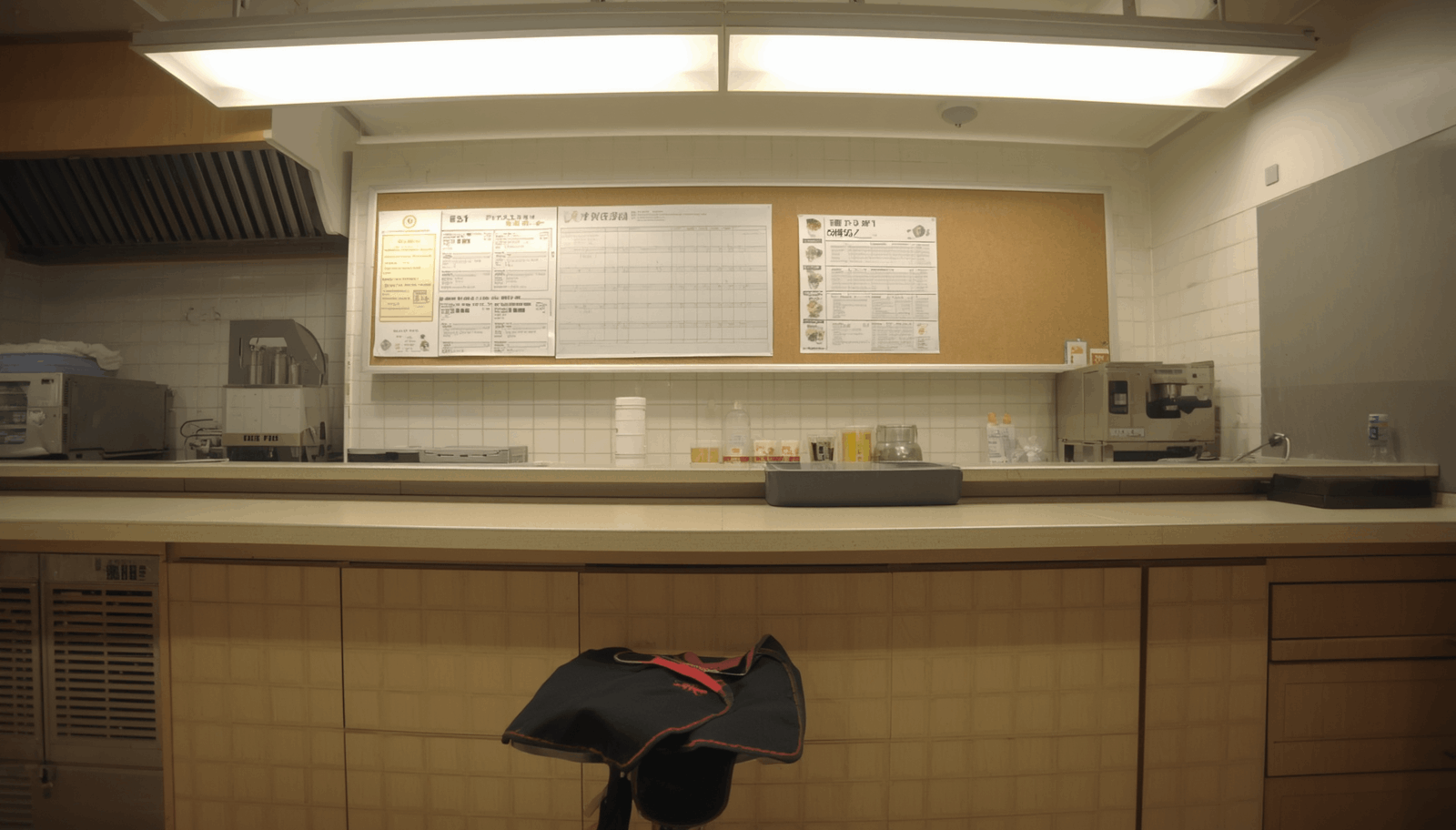
Behind the counter, the kitchen runs on speed and repetition. Rice portions, soup temperatures, and plating standards follow strict guidelines. Matsuya's menu is relatively small, which makes memorization manageable within a few shifts.
Cleaning is constant. Not just at closing. Sauces get wiped, trays get bussed, the dishwashing station runs nonstop during busy periods.
I think the cleaning workload at Matsuya is heavier per employee than at McDonald's Japan, because Matsuya stores run with fewer staff on the floor.
The 28-Hour Cap and Matsuya Shift Scheduling
This is where things get complicated for student visa holders. Japan's Immigration Services Agency enforces a strict 28-hour weekly work limit for students. Go over, and the consequences range from visa non-renewal to deportation.
Matsuya operates 24/7 at many urban locations, which sounds like flexibility. And it is, sort of. The store manager builds the schedule weekly, and students can request morning, afternoon, or late-night shifts.
How the Weekly Hour Limit Plays Out
The catch: Matsuya tracks hours per store, but if a student works at two different locations or holds a second part-time job, immigration counts total hours across all employers. That second gig at a convenience store? Those hours add up.
I would tell any student on a visa to keep a personal log of hours weekly, separate from what Matsuya records. Relying on the company's system alone leaves a blind spot that can cause real legal trouble at tax filing time.
Late-Night and Holiday Shift Bonuses
Overnight shifts (roughly 10 PM to 5 AM) and holiday coverage during Golden Week or New Year's often come with extra pay.
The bump varies by location, but late-night premiums in Tokyo stores can push hourly rates above ¥1,200 when the base sits closer to ¥1,100.
A strategic move: picking up two or three overnight shifts per week fits within the 28-hour cap while maximizing earnings. The tradeoff is obvious. Late-night shifts drain energy, and class attendance suffers if sleep management isn't tight.
Matsuya Pay Compared to Other Gyudon Chains
Pay at Matsuya is competitive with other fast-food chains, but the differences between chains are smaller than people expect. The comparison below covers the three biggest gyudon chains in Japan as of 2026.
| Feature | Matsuya | Yoshinoya | Sukiya |
|---|---|---|---|
| Starting hourly wage (Tokyo) | ~¥1,100 | ~¥1,100 | ~¥1,080 |
| Meal perk | Free or discounted staff meal per shift | Discounted meals | Discounted meals |
| Late-night premium | Yes | Yes | Yes |
| 24-hour locations | Many urban stores | Select locations | Many urban stores |
The real difference between these three chains isn't the paycheck. It's the store culture and how management handles foreign staff. Matsuya tends to have a slightly more structured onboarding process, while Sukiya locations sometimes run with leaner crews.
Should Foreign Students Work the Kitchen or the Counter?
Every guide about Matsuya jobs tells foreign students the same thing: start in the kitchen if your Japanese is weak. I disagree with that advice, and the reason comes down to how language improvement works on the job.
The Kitchen-Only Trap
Kitchen roles at Matsuya involve minimal conversation. Staff communicate through short commands: "Rice up," "Order 4 ready," "More miso." After three months of kitchen-only shifts, a student's Japanese stays at the same level it was on day one.
Front-of-house roles force real-time language processing. Customers speak at normal speed, use casual grammar, and ask unexpected questions. That pressure is uncomfortable for the first few weeks.
But by month two, students working the counter report a jump in listening comprehension that classroom study alone doesn't produce.
Language Barriers and How Managers Handle Them
The fear of making language mistakes stops a lot of international students from requesting counter work. But Matsuya's set greeting phrases (いらっしゃいませ, ありがとうございます) create a script that reduces the unpredictability.
Mistakes happen. A wrong order, a misunderstood request. Managers at most Matsuya locations handle these with patience, correcting the employee quietly after the customer leaves.
The culture around errors in Japanese food service leans toward teaching, not punishing.
That said, repeated mistakes during peak hours can lead to a conversation about moving back to kitchen duties.
Training, Promotions, and Transferable Skills at Matsuya
New hires go through a short onboarding covering food safety, hygiene standards, and service procedures.
The training is practical. No long classroom sessions. A senior staff member walks you through each station during an actual shift, and you're expected to operate solo within a few days.
Moving Up at Matsuya: Crew to Shift Leader
Promotion paths exist but depend on store needs. Employees who show reliability over several months can be offered shift leader roles, which come with a pay bump and responsibility for managing the floor during their assigned hours.
The jump to assistant manager is less common for part-time student workers, mostly because those roles require full-time availability.
But for non-students or graduates who transition to full-time, the management track at Matsuya is structured and reasonably clear.
Skills That Transfer to Other Jobs in Japan
The soft skills built at Matsuya have direct carryover to other service and office jobs in Japan. Conflict resolution during a busy dinner rush teaches composure. Time management across rotating stations builds the ability to prioritize under pressure.
One skill that gets overlooked: reading customer mood. Japanese service culture runs on anticipating needs before they're spoken.
A few months at Matsuya trains that instinct in a way that's hard to replicate through study alone. That skill transfers directly to sales roles, hotel front desks, and corporate reception positions.
How to Apply for a Matsuya Job as a Foreign Student
The application process starts on the Matsuya Foods career page. Listings are organized by region and shift type. The form is in Japanese, so having a friend or language tutor help with the first submission saves time.
Some Matsuya locations also post help-wanted signs (アルバイト募集) on their storefronts. Walking in and asking directly can work, especially at stores with visible understaffing during off-peak hours.
The interview is short: 15 to 20 minutes. Expect questions about schedule availability, your visa status, and your comfort level with Japanese. Bring your residence card (在留カード) and a copy of your student ID.
Legal and Tax Obligations for Foreign Part-Timers
The Immigration Services Agency of Japan requires students to obtain a "Permission to Engage in Activity Other Than That Permitted" stamp before starting any part-time work. Skipping this step is a common and serious mistake.
Tax responsibilities are straightforward but easy to ignore. Income tax gets deducted at source for most part-time workers.
At year-end, filing a simple return is necessary if total income from all jobs exceeds certain thresholds. Ward offices in major cities often have multilingual support for this process.
A few things to prepare before applying:
- Valid student visa with the part-time work permission stamp
- Residence card with current address
- Basic conversational Japanese (enough to follow short instructions)
- Willingness to work weekends or late-night shifts, as these are the hardest slots to fill
Questions People Ask About Matsuya Jobs Japan
Q: Can I get hired at Matsuya with no Japanese? Zero Japanese makes front-of-house work nearly impossible. Some kitchen-only roles at busy urban locations may accept very basic speakers, but the interview itself is conducted in Japanese. Bringing a bilingual friend to the interview can help, though the manager will still assess your ability to follow spoken instructions.
Q: How much does Matsuya pay per hour in Tokyo? Starting rates in Tokyo hover around ¥1,100 per hour as of 2026. Late-night shifts push that figure higher with premium pay. Annual raises exist but tend to be small increments tied to performance reviews and store-level results.
Q: Do Matsuya employees get free meals? The meal perk varies by location. Some stores offer a free staff meal per shift, while others provide a discount. The quality depends on the store manager's discretion, but the food is the same menu items served to customers.
Q: What happens if I work over 28 hours on a student visa? Exceeding the 28-hour limit is a visa violation. Consequences can include denial of visa renewal, fines, or in serious cases, deportation orders. Immigration tracks hours across all employers, not just the one where the violation occurred.
Q: Is Matsuya better than Yoshinoya or Sukiya for part-timers? The pay is nearly identical across all three chains. The difference comes down to store culture and staffing levels. Matsuya tends to have slightly more structured training, while Sukiya stores often run with fewer people per shift, which means more individual responsibility.
Conclusion
A Matsuya part-time job can be a smart entry point into Japan's service economy. The pay is modest, but the language and soft skill gains compound over months.
Track your visa hours carefully, and don't default to kitchen-only roles out of fear. The counter is where the real growth happens for foreign students.