Modern life in Japan relies on convenience stores, and Seven-Eleven jobs are at the heart of this everyday rhythm.
For job seekers, these roles can mean steady employment, flexible scheduling, and professional growth. This article explores what it’s really like to work in a Seven-Eleven store, who these jobs suit best, and the unique benefits that often go overlooked.
It’s written for both domestic and international job seekers curious about Japan’s employment market, and anyone looking for an accessible, structured role.
With demand for staff remaining consistently high, joining a convenience store team often makes a lot of practical sense, perhaps even beyond initial expectations.
The goal is simple: understand your options, see the bigger picture, and feel more equipped to weigh this popular work pathway.
Why Work at a Seven-Eleven in Japan?
There are unique reasons convenience store employment stands out in Japan. While hourly retail work is available globally, these roles in Japan have distinct advantages, shaped by the culture and the company’s meticulous approach to service.
Consistent Demand Across the Country
Japan’s neighborhoods count on their local convenience store, and Seven-Eleven leads the market.
Even small towns often feature branches. This steady presence means job openings pop up regularly. Even during economic downturns, most stores keep running and need staff to maintain daily routines. It’s a level of job security many don’t expect at first glance.
Flexible Scheduling and Shift Variety
Seven-Eleven stores operate twenty-four hours, seven days a week. Many students, parents, or even semi-retired individuals appreciate shift patterns that adapt to their lives.
Early morning, late night, or part-time afternoons are possible. Sometimes schedules feel hectic, it’s fair to admit, but it’s hard to overstate the value of true flexibility for those managing other commitments.
Opportunities for Different Skill Sets
Tasks at Seven-Eleven range from cashier work to inventory restocking and cleaning. For those wanting to improve Japanese language abilities , it’s immersive.
For some, it becomes a stepping-stone to more advanced customer service or retail management roles. It’s not all fast-paced – slower daytime periods do happen – but adaptability really matters.
Competitive Wages and Incentives
Hourly pay is comparable, sometimes even higher, than other entry-level jobs in many Japanese regions. Night, weekend, or holiday shifts may see increased rates.
While some stores add incentives, most focus on reliable, above-minimum pay as the fundamental draw. It won’t make anyone wealthy overnight, but for meeting daily expenses, it’s remarkably consistent.

Core Duties and Responsibilities
Workflows differ from city center stores to rural posts, but core responsibilities stay consistent. Understanding what the job actually involves helps set realistic expectations – and perhaps calms any nerves before applying.
Customer Assistance and Cashier Work
This remains central. Handling cash registers, greeting customers, processing barcodes, and helping with daily needs are essential tasks. It puts you on the frontlines of Japanese hospitality, or “omotenashi,” even if that sometimes means fielding challenging requests.
Stock Management and Displays
Receiving deliveries, restocking shelves, and setting up new displays often fill quieter periods. Learning proper rotation and attention to product dates is important – actually, some roles put extra focus on this aspect, especially at busier times. It’s more meticulous than some expect.
Maintaining Cleanliness and Safety
Clean floors, wipe counters, and sanitized public spaces matter. Workers are trained to spot spills quickly or tidy public restrooms. Safety protocols must be followed, and sometimes those extra few minutes spent on cleaning make a big impression with customers.
Administrative and Coordinative Tasks
Not everything is on the sales floor. Taking phone calls, dealing with delivery apps, or helping with backroom paperwork round out the mix. Managers often appreciate staff who take initiative with these less-visible tasks, even if it sometimes means learning by trial-and-error.
Types of Positions at Seven-Eleven Stores
While many imagine only cashier staff, convenience store jobs include multiple paths. Part-time, full-time, and managerial roles each bring different expectations, workloads, and opportunities for growth.
Entry-Level Crew Member
Most new hires start here. Duties cover the basics: cashiering, shelf-stocking, cleaning, or assisting with promotional setups. Shifts range from short to extended hours, and day or night options are typical. While there’s plenty of routine, no two days feel identical.
Shift Leaders and Supervisors
With experience, many workers progress to shift leader roles. These staff handle cash tallies, set team schedules, solve small disputes, and train newcomers. It’s more responsibility, but with slightly higher hourly wages and a sense of mentorship thrown in.
Full-Time and Store Management
Long-term roles usually move into management. Store managers coordinate ordering, handle payroll paperwork, and engage with head office. They may oversee several locations or train new owner-operators. This path isn’t for everyone – the hours can be long, and the workflow more intense – but it can bring greater job stability and benefits.
Work Culture and Environment
Japanese convenience store culture balances strict routines with kindness. Busy city locations can feel fast-paced, while local stores may move a bit slower. But teamwork, mutual respect, and customer courtesy are universal expectations. Many stores foster friendly ties between staff and regular customers, sometimes becoming a quiet part of someone’s daily support network.
Training and Onboarding
Seven-Eleven is known for thorough, if sometimes brisk, new staff training. Most training is on-the-job, with clear instruction manuals and senior staff guidance. Learning routines can feel daunting at first – mistakes are common, but managers often offer practical feedback, especially to eager learners.
Dress Codes and Professional Appearance
Uniforms are supplied and should be kept clean. Personal grooming usually follows Japanese workplace standards: neat, with minimal distractions. It can seem a little strict, but these guidelines help set the tone for high service standards expected at all locations.
Workplace Diversity
More international workers are joining Seven-Eleven teams. Japanese fluency helps but isn’t always required, especially in tourist-heavy areas. Many international students find it a first step into Japanese working life, sometimes building lasting friendships or learning new cultural habits along the way.
Eligibility and Application Requirements
Securing a job means meeting certain criteria. Companies value reliability, but specific document requirements and eligibility rules do apply. It’s wise to double-check official resources for the latest guidelines, as rules sometimes shift with government policy.
Basic Eligibility
Candidates generally need to be at least 18 for night shifts, while daytime positions may allow applicants 16 and over. Proof of residency or a valid work visa is required for non-Japanese citizens. Japanese applicants need a residence certificate (juminhyo) and sometimes family registry documents.
Application Process
Applications are accepted online or by directly contacting a store. Seven-Eleven Japan’s official recruitment page at sej.co.jp/arbeit offers nationwide listings. Basic Japanese language skills—reading, writing, or at least speaking—help a lot, but aren’t always strictly mandatory, especially for international student placements.
Interview Expectations
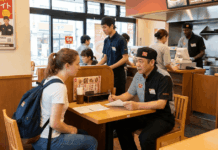
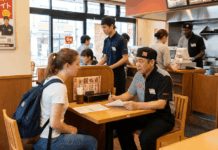
Stores typically hold informal interviews. Dress is semi-formal; punctuality is valued. Applicants might discuss availability, experience, or motivations. Even a little preparation aids confidence – yet it’s also not uncommon to feel a bit unsure before a first shift starts.
Benefits and Drawbacks of Seven-Eleven Employment
There are clear benefits: reliable income, accessible work, and workplace camaraderie. But, some drawbacks surface too. Like any service job, shifts can be physically tiring. Sometimes, late night hours bring in noisy customers, while early mornings can feel extra long if you’re not a morning person.
Long-Term Career Value
Skills gained prove valuable in later roles, especially for those aiming for careers in hospitality, logistics, or management. The reputation for discipline and attention to detail at Japanese convenience stores sometimes opens doors elsewhere—even for staff who only stay a year or two.
Physical and Mental Demands
Standing most of the shift, handling non-stop customer traffic, and keeping up with cleaning routines can wear down even the most enthusiastic workers. Still, many adapt, often finding energy from team support—though it’s fair to say some days simply feel harder than others.
Legal, Tax, and Labor Considerations
All employees must follow Japan’s labor laws. Overtime pay, maximum working hours, and required breaks are specified. Workers should be aware of their rights—sometimes overlooked, especially by those new to the workforce.
Tax Withholding and Reporting
Employers withhold income tax, and employees receive documents needed for annual tax returns. Japan’s tax offices (see National Tax Agency) provide resources on rules for part-timers and international staff. These requirements can feel a bit daunting initially, but support is available if you ask the right questions.
Health Insurance and Social Security
Full-time workers often join company health insurance and pension programs, while part-timers may be eligible above certain hours. Understanding contributions and eligibility before signing a contract avoids confusion later on—sometimes this is missed in the excitement of a new job.
Top Skills Developed Through Seven-Eleven Jobs
Looking back after a stint at Seven-Eleven, many former employees talk about the skills that stick. It’s rarely just about stocking shelves—adaptability, communication, and time management all rank high, even if this realization comes only after moving on to a new challenge.
Communication and Teamwork
Working with a diverse customer base, navigating fast-paced shifts, and solving everyday issues all demand strong communication. Teamwork becomes second nature out of necessity, which sometimes feels like the most valuable takeaway for future employment elsewhere.
Attention to Detail
Tracking expiration dates, maintaining displays, or ensuring register accuracy requires focus. These habits build over time and often become a noticeable strength in other jobs, even those far removed from retail or hospitality.
Adaptability and Multitasking
Shifts don’t always go as planned. Staff adjust on the fly, shift priorities, and learn to multitask under real pressure. For some, this part of the job is where confidence grows the most, sometimes in subtle ways that only become clear years later.
Seven-Eleven Jobs in Japan: A Smart Start or Flexible Side Path
Working at a Seven-Eleven in Japan delivers real-world skills, lasting work habits, and a reliable source of income. While not without its challenges, it remains a practical choice for students, newcomers, and anyone seeking flexible or steady hours. Although daily routines can sometimes be demanding, these roles frequently open doors to other opportunities.
For those weighing their first job or searching for a side role in Japan, a convenience store position offers more than meets the eye. It’s a workplace built on trust, service—and, maybe, a surprising sense of community. Every shift brings another step towards workplace confidence, career growth, or simply a dependable pay packet.